Sweet Cactus: A Versatile Display Font for Creative Projects
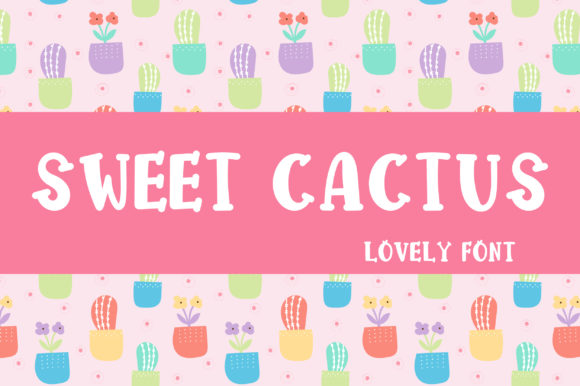
Sweet Cactus is a display font that brings a sense of joy and whimsy to any creative endeavor. Designed with playful curves and a charming aesthetic, it's ideal for projects where visual appeal plays a key role. Whether you're designing invitations, branding materials, or digital content, Sweet Cactus adds a unique touch that can make your work stand out.
Understanding the Role of Sweet Cactus in Design Workflows
When selecting fonts for a project, the choice often depends on the tone and purpose of the content. Sweet Cactus fits perfectly into scenarios where a lighthearted and engaging vibe is desired. It works well for headings, logos, social media posts, and other elements that need to capture attention quickly.
Before starting a design project, consider how Sweet Cactus will interact with other design elements such as colors, images, and layout structures. Testing the font in different contexts can help ensure it complements the overall look and feel of the project.
Using Sweet Cactus During the Design Process
During the design phase, Sweet Cactus can be used to create mockups, prototypes, or drafts that reflect the intended style of the final product. Its legibility and distinctiveness make it suitable for both print and digital formats. When working with graphic design software like Adobe Illustrator or Photoshop, you can experiment with different text styles and effects to enhance the visual impact of Sweet Cactus.
One practical tip is to pair Sweet Cactus with a complementary sans-serif font for body text. This combination ensures readability while maintaining a cohesive design. Additionally, using color contrast effectively can help highlight the font without overwhelming the viewer.
Integrating Sweet Cactus into Various Creative Applications
Sweet Cactus isn't limited to just graphic design. It can also be used in web development, marketing materials, and even educational content. For instance, when creating a website, using Sweet Cactus for headlines or call-to-action buttons can draw users' attention and improve engagement.
In marketing, Sweet Cactus can be incorporated into promotional banners, email newsletters, and social media graphics. Its distinctive appearance helps brands convey a sense of fun and approachability, which can be especially effective for businesses targeting younger audiences or those in the lifestyle and entertainment sectors.
Implementing Sweet Cactus in Digital Content Creation
For bloggers and content creators, Sweet Cactus offers an excellent way to add personality to their online presence. Whether it's for blog headers, video thumbnails, or podcast titles, the font adds a unique flair that can differentiate content from competitors.
When using Sweet Cactus in digital platforms, it's important to ensure that the font is properly embedded or linked so that it displays correctly across different devices and browsers. Tools like Google Fonts provide easy access to Sweet Cactus, making it simple to incorporate into websites or digital projects.
Practical Tips for Using Sweet Cactus Effectively
To get the most out of Sweet Cactus, consider the following tips:
- Test before committing: Always preview Sweet Cactus in the context of your project to see how it looks with other design elements.
- Use sparingly: While Sweet Cactus is eye-catching, overusing it can lead to visual clutter. Reserve it for key elements like headlines or accents.
- Ensure compatibility: Check that Sweet Cactus works well with the tools and platforms you're using. Some applications may require specific file formats or font embedding methods.
- Stay consistent: If using multiple fonts in a project, maintain consistency in style and spacing to ensure a professional look.
By keeping these considerations in mind, you can use Sweet Cactus effectively without compromising the quality or clarity of your work.
Long-Term Use and Maintenance
For professionals who use Sweet Cactus regularly, it's beneficial to organize font libraries and keep track of different versions or variations. This helps streamline workflows and ensures that the right font is always available when needed.
Additionally, staying updated with new releases or updates to Sweet Cactus can help maintain the best possible performance and compatibility with emerging design trends and technologies.
Conclusion
Sweet Cactus is more than just a font—it's a versatile tool that can elevate the visual appeal of various creative projects. By understanding its role in different design contexts and integrating it thoughtfully into your workflow, you can enhance your designs and leave a lasting impression on your audience.