Halimount: A Versatile Display Font for Creative Projects
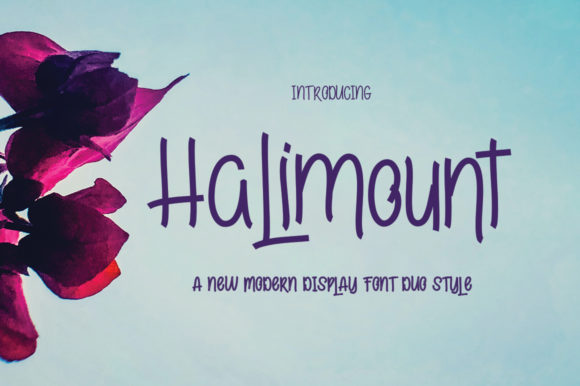
Halimount is a beautifully crafted display font that brings a sense of casual charm and approachability to any design project. Designed with readability in mind, it strikes a balance between elegance and simplicity, making it an appealing choice for designers looking for a font that feels both professional and personable. Its clean lines and friendly appearance make it particularly well-suited for projects where the text needs to be both visually engaging and easy to read.
Understanding Halimount
Halimount is a sans-serif display font that features subtle variations in stroke weight and character spacing, which contribute to its down-to-earth feel. Unlike more ornate or decorative fonts, Halimount maintains a level of clarity that ensures legibility even at smaller sizes. This makes it a strong candidate for use in a wide range of applications, from digital media to print-based materials.
The font's design reflects a modern aesthetic while retaining a warm, inviting quality. It avoids overly stylized elements that might distract from the message being conveyed, instead focusing on clear communication through thoughtful typography.
Why Consider Halimount?
Designers may find themselves drawn to Halimount for several reasons. First, its versatility allows it to be used across multiple platforms and mediums. Whether designing a business card, creating a website header, or preparing marketing collateral, Halimount can adapt to various contexts without losing its character.
Another reason to consider Halimount is its ability to enhance readability without sacrificing visual appeal. In many cases, display fonts can become too stylized, making them difficult to read in certain situations. However, Halimount manages to maintain a high level of legibility, ensuring that the content remains accessible to all audiences.
Additionally, the font's casual charm can help establish a particular tone or brand identity. For instance, it could be an excellent fit for businesses that want to convey a friendly, approachable image. The font’s gentle curves and balanced proportions give it a sense of calmness, which can be especially effective in branding and advertising.
Benefits and Tradeoffs
One of the primary benefits of using Halimount is its broad applicability. It works well in both digital and print formats, and its clean design ensures that it doesn't overpower other design elements. This makes it a great option for those who need a font that can seamlessly integrate into a larger design scheme.
However, like any font, Halimount has its limitations. While it excels in readability and versatility, it may not be the best choice for highly specialized or niche design needs. For example, if a project requires a very unique or artistic typeface, Halimount may not provide the desired level of distinction.
Another consideration is the availability of supporting characters and languages. Designers working on multilingual projects should verify whether Halimount supports the specific scripts they need. In some cases, alternative fonts may offer broader language support, which could be a deciding factor in the selection process.
Situations Where Halimount Excels
Halimount is particularly well-suited for projects that require a friendly yet professional look. It works exceptionally well in the following scenarios:
- Stationery and greeting cards: The font's warm, approachable style complements handwritten or personal messages, making it ideal for invitations, thank-you notes, and other stationery items.
- Marketing materials: From flyers to brochures, Halimount can add a touch of personality to promotional content without compromising clarity.
- Web design: Its readability and clean aesthetics make it a good choice for headings, subheadings, and call-to-action buttons on websites.
- Brand identity: Businesses aiming to communicate a welcoming and trustworthy image may find Halimount to be a valuable asset in their branding efforts.
When to Consider Alternatives
While Halimount is a versatile font, there are instances where it may not be the best fit. For example, if a design requires a more dramatic or artistic flair, a different font with more pronounced stylistic elements might be more appropriate. Similarly, if a project involves intricate typographic details such as ligatures or special characters, designers should explore other options that offer greater customization.
For highly technical or formal documents, such as legal papers or academic publications, a more traditional serif font might be preferable due to its perceived authority and formality. In these cases, the casual nature of Halimount may not align with the tone or purpose of the document.
Practical Decision-Making Insights
When evaluating whether Halimount is the right font for a particular project, it's important to consider the overall design goals and audience expectations. Ask yourself the following questions:
- Does the font align with the intended tone of the project?
- Will it remain readable in the context it will be used?
- Is it compatible with the design system or platform being used?
- Are there any language or character requirements that need to be met?
By carefully considering these factors, designers can make informed decisions about whether Halimount is the best choice for their needs. Ultimately, the goal is to select a font that enhances the message being communicated while maintaining a cohesive and aesthetically pleasing design.
In conclusion, Halimount offers a compelling blend of readability, versatility, and visual appeal. While it may not be suitable for every design scenario, it is certainly worth considering for projects that benefit from a friendly, approachable, and professional look. As with any design decision, the key is to evaluate the specific requirements of the project and choose a font that best supports the overall objectives.