Shapeshift: A Modern Display Font Designed for Versatility and Impact
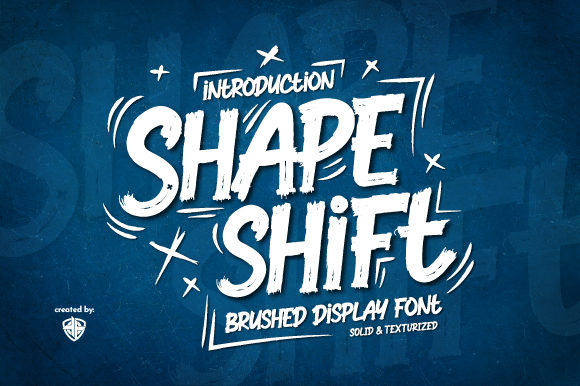
Shapeshift is more than just a font—it's a design tool that can transform the way your text looks across different platforms and media. Created with the help of a great brush, this modern display font brings a dynamic and artistic flair to headlines, body text, and everything in between. Whether you're designing a website, printing a brochure, or working on a digital video project, Shapeshift offers a unique blend of style and functionality that makes it stand out.
Why Shapeshift is Worth Considering
If you're looking for a font that can adapt to various sizes and styles without losing its visual appeal, Shapeshift is an excellent choice. Its design allows it to be used effectively in both large headlines and smaller blocks of text. This versatility makes it ideal for web designers, marketers, bloggers, and anyone who needs a font that can handle multiple variations while maintaining readability and aesthetics.
One of the key reasons people are drawn to Shapeshift is its ability to create a strong visual impact. The brush-stroke effect gives it a handcrafted feel, which can add personality and warmth to any design. This makes it particularly popular among creatives who want to stand out from the crowd.
Common Mistakes When Using Shapeshift
While Shapeshift is a powerful tool, there are some common mistakes that users often make when choosing or applying it. These mistakes can affect the overall look and effectiveness of your design, so it's important to be aware of them.
Mistake 1: Overusing It
Many designers fall into the trap of using Shapeshift too frequently. While it's a versatile font, overusing it can lead to visual clutter and reduce its impact. For example, using Shapeshift for every headline on a webpage might make the design feel overwhelming and less professional.
Better Approach: Use Shapeshift selectively. Reserve it for key headlines or calls to action where it can have the most impact. Pair it with simpler fonts for body text to maintain balance and readability.
Mistake 2: Ignoring Readability
Despite its stylish appearance, Shapeshift may not always be the best choice for long blocks of text. The brush-stroke effect can sometimes make the text harder to read, especially at smaller sizes or in low-contrast environments.
Better Approach: Always test how Shapeshift looks in different contexts. If you're using it for body text, ensure that the size and spacing are optimized for readability. Consider using it for short phrases or headings rather than lengthy paragraphs.
Mistake 3: Not Checking Compatibility
Before downloading or purchasing Shapeshift, it's essential to check whether it's compatible with your design software, operating system, or website platform. Some fonts may not render correctly on certain devices or applications, leading to unexpected results.
Better Approach: Always review the font specifications and user reviews before making a purchase. Ensure that Shapeshift is supported by the tools you're using and test it in your design environment before finalizing your project.
What to Look for Before Choosing Shapeshift
Before deciding to use Shapeshift, there are several factors worth considering. These include the font’s licensing terms, file formats, and how well it integrates with your existing design elements.
Licensing Terms: Make sure you understand the terms of use for Shapeshift. Some fonts come with restrictions on commercial use, so it's important to choose a license that fits your needs.
File Formats: Check if Shapeshift is available in the file formats you need, such as OTF, TTF, or WOFF. This will determine whether it can be used effectively in your design software or on your website.
Design Compatibility: Consider how Shapeshift will look alongside other design elements like images, colors, and layout structures. A font that works well in one context may not be suitable for another.
Practical Tips for Using Shapeshift Effectively
To get the most out of Shapeshift, follow these practical tips that can help you avoid common pitfalls and achieve better results.
- Use It for Headlines: Shapeshift shines when used for headlines and titles. Its bold and expressive style makes it perfect for grabbing attention and creating a strong visual hierarchy.
- Experiment with Sizes: Try different sizes to see how Shapeshift performs in various contexts. Larger sizes tend to showcase its brush-stroke effect more clearly, while smaller sizes should still remain legible.
- Pair It with Complementary Fonts: To maintain a balanced design, pair Shapeshift with other fonts that complement its style. This can help create a cohesive and visually appealing layout.
- Test Across Devices: Ensure that Shapeshift looks good on all devices, including desktops, tablets, and mobile phones. Responsive design is crucial for ensuring a consistent user experience.
By keeping these tips in mind, you can use Shapeshift more effectively and avoid potential issues that could compromise the quality of your design.
Shapeshift is a powerful and versatile font that can enhance your projects in numerous ways. However, it's important to use it wisely and consider the context in which it will be applied. By avoiding common mistakes and following best practices, you can ensure that Shapeshift delivers the impact and elegance it was designed for.