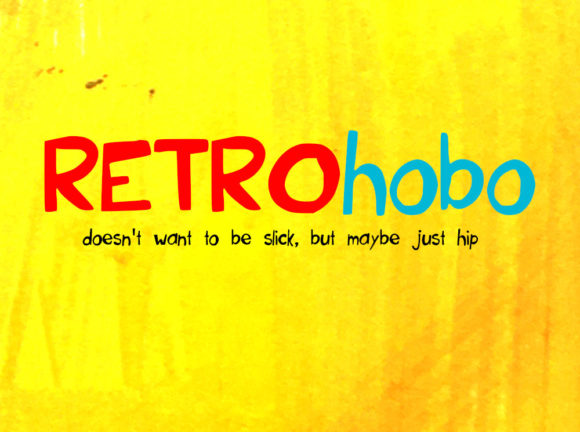
Retro Hobo Font: A Quirky Display Font for Modern Creativity
Fonts are more than just letters on a page—they’re the silent storytellers of your message. Among the many options available, Retro Hobo stands out as a simple lettered display font that brings a touch of nostalgia and personality to any design. With its quirky charm and versatile appeal, it’s no wonder this font has found a home in everything from logos to social media posts.
The Unique Appeal of Retro Hobo
Retro Hobo is a display font that captures the essence of vintage typography with a modern twist. Its clean lines and playful curves make it incredibly readable while still maintaining that eye-catching flair. This balance makes it ideal for use in both digital and print formats.
What sets Retro Hobo apart is its ability to evoke emotion through design. Whether you're crafting a brand identity or designing a poster, the font's character can subtly influence how your audience perceives your message.
Why Retro Hobo Matters for Your Projects
For professionals and creatives alike, choosing the right font can be the difference between an average design and one that truly resonates. Retro Hobo offers a unique visual language that can help your work stand out in a crowded market.
Consider a small business owner looking to create a memorable logo. Using Retro Hobo could instantly give their brand a sense of authenticity and charm. It’s not just about aesthetics—it’s about creating a connection with your audience.
Use Cases Where Retro Hobo Shines
- Logos and Branding: The font's distinctiveness helps establish a strong visual identity.
- Social Media Graphics: Perfect for captions, headlines, and promotional content that needs to grab attention quickly.
- Print Materials: From flyers to packaging, Retro Hobo adds a nostalgic feel without compromising clarity.
- Web Design: Ideal for headings and call-to-action buttons where readability and style go hand-in-hand.
Who Benefits Most from Using Retro Hobo?
Entrepreneurs, marketers, and content creators will find particular value in Retro Hobo. Its versatility allows it to adapt to various industries—from fashion and food to tech and travel.
Educators and publishers might also appreciate the font’s readability when used in educational materials or book covers. Its quirky nature can engage younger audiences while still maintaining a professional tone.
Freelancers working on creative projects, such as graphic design or branding, can leverage Retro Hobo to differentiate their work in a competitive field. It’s a subtle yet powerful way to add personality to any project.
How to Maximize the Value of Retro Hobo
To get the most out of Retro Hobo, consider experimenting with different weights and sizes. Pairing it with simpler sans-serif fonts can create a balanced look that maintains legibility while still making a statement.
When using Retro Hobo in web design, ensure that it doesn’t compromise accessibility. While it’s great for headlines, avoid using it for long blocks of text where readability is crucial.
Another tip is to pair Retro Hobo with complementary colors and layouts. The font’s retro vibe works well with earthy tones, muted pastels, or even bold contrasting colors depending on the desired effect.
Limitations and Considerations
While Retro Hobo is highly versatile, it may not be suitable for all contexts. For example, in formal documents or legal texts, a more traditional font might be more appropriate. It’s always wise to evaluate the context and audience before finalizing your font choice.
Additionally, since it’s a display font, it’s best used sparingly. Overusing Retro Hobo could lead to a cluttered design that detracts from the overall message.
Final Thoughts on Retro Hobo
Retro Hobo is more than just a font—it’s a tool that can enhance your creative expression and communication. Its unique blend of simplicity and quirkiness makes it a valuable asset for anyone looking to make a lasting impression.
Whether you're a designer, marketer, or entrepreneur, incorporating Retro Hobo into your projects can help you achieve a distinctive look that aligns with your brand’s personality. By understanding its strengths and limitations, you can use it effectively to support your goals and elevate your work.